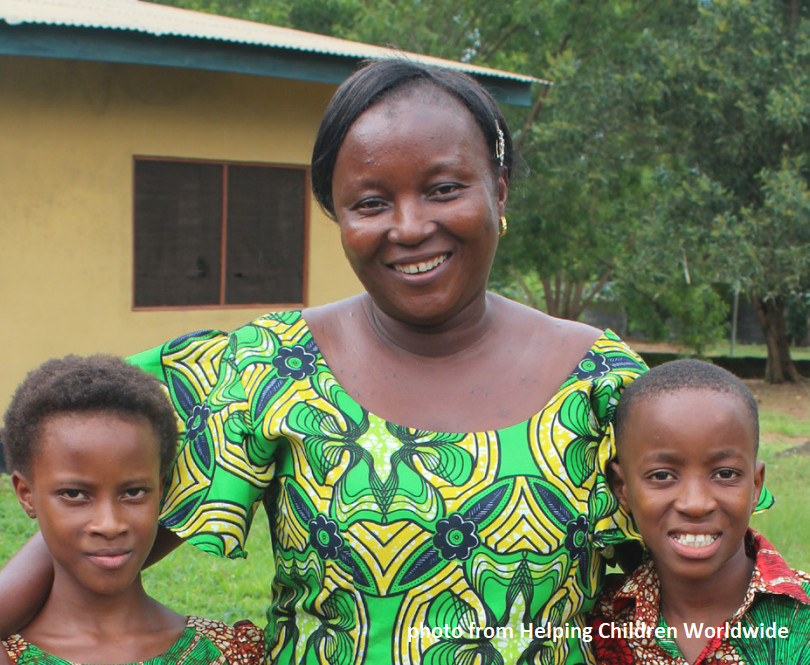
Every Child Deserves to Grow Up in a Family
Sierra Leone is one of the poorest countries in the world, consistently ranked near the bottom of the UN Human Development Index. As families struggle to stay together, it is estimated that 76,000 children are living on the streets. Most unaccompanied minors are not orphans at all. Poverty, not death is the number one reason children are separated from their families in Sierra Leone.

Empowerment is the best way to help broken families remain intact. Empowering families restores dignity and responsibility, providing families with a pathway to success. As the Child Prosperity Center reunites orphaned and abandoned children with families, they are helping families become stable and self-sufficient by providing them with mentoring, skills training, parent education, case management, and support for education and health care. Extremely vulnerable and foster families receive material support to help them provide for their children.
Family Empowerment Advocacy is a shift from child sponsorship to partnership to advocate on behalf of people born to conditions of extreme poverty, support programs tailored to their needs, and give them the tools to succeed. By becoming an advocate, you can help a vulnerable family move past dependency.
Family Empowerment Advocacy is Transforming Lives
Even the best orphanage cannot provide the one thing children need–the love and connection only a family can provide. A child wants to belong to someone. Placing a child in an orphanage doesn’t address the root causes of poverty, and it causes lasting trauma to the child’s relational and mental health. The best way to meet the needs of orphans and vulnerable children is through programs that build the capacity of families and communities to care for the well-being of children through case management and family strengthening.
Families come in all shapes and sizes. Some children are cared for by parents, others by grandparents, aunts, and uncles, or adoptive parents. Still others are known as “child-headed households,” often with an older sibling caring for younger children. These kinds of families can be supported and strengthened too.
Many countries are already making this shift, and orphanages are being phased out at. In most cases, Western supporters and orphanage leaders on the ground want the same thing–what’s best for the children. We know that is FAMILY.