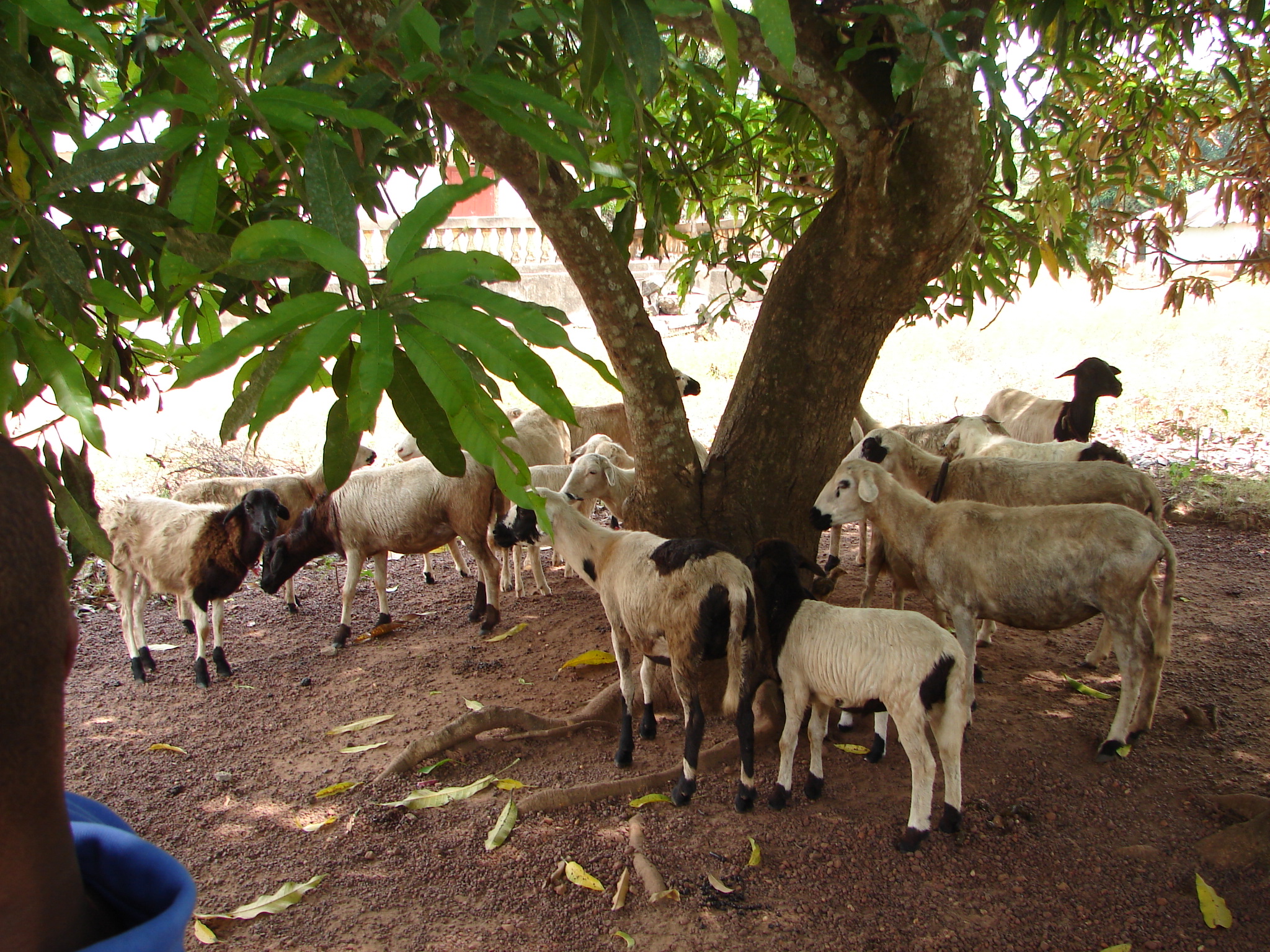
On their first trip to Sierra Leone, Suzanne and Carolynn tagged along with Pastor Adama to the rural village of Batkanu. They had been in the huge city of Freetown and Makeni Town, but they finally got to go to a village. They sat under this tree with these goats while Adama went about her business. After a while, people came from a house with a plate of rice with fish heads in it. Since there was no spoon, they ate with their fingers and avoided the fish heads. They were an unusual sight to the people there. In fact, it was not unusual for little children to scream when they saw white skin. That short visit gave Suzanne a love for the people in rural villages where poverty is much deeper than in the cities. She has never had a chance to return to the village, but later White Field Partners installed a well there.
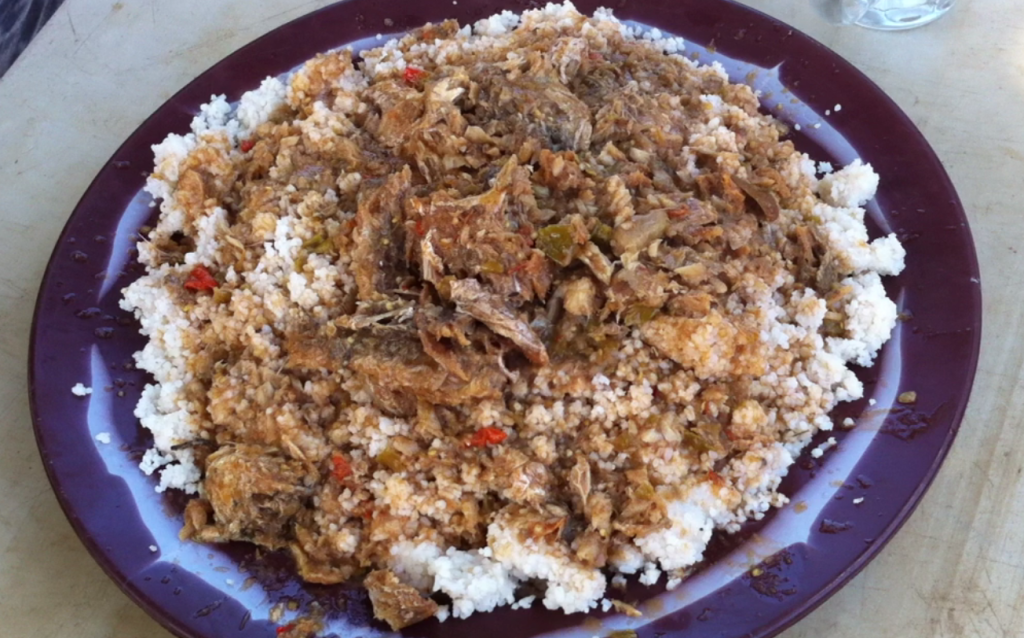
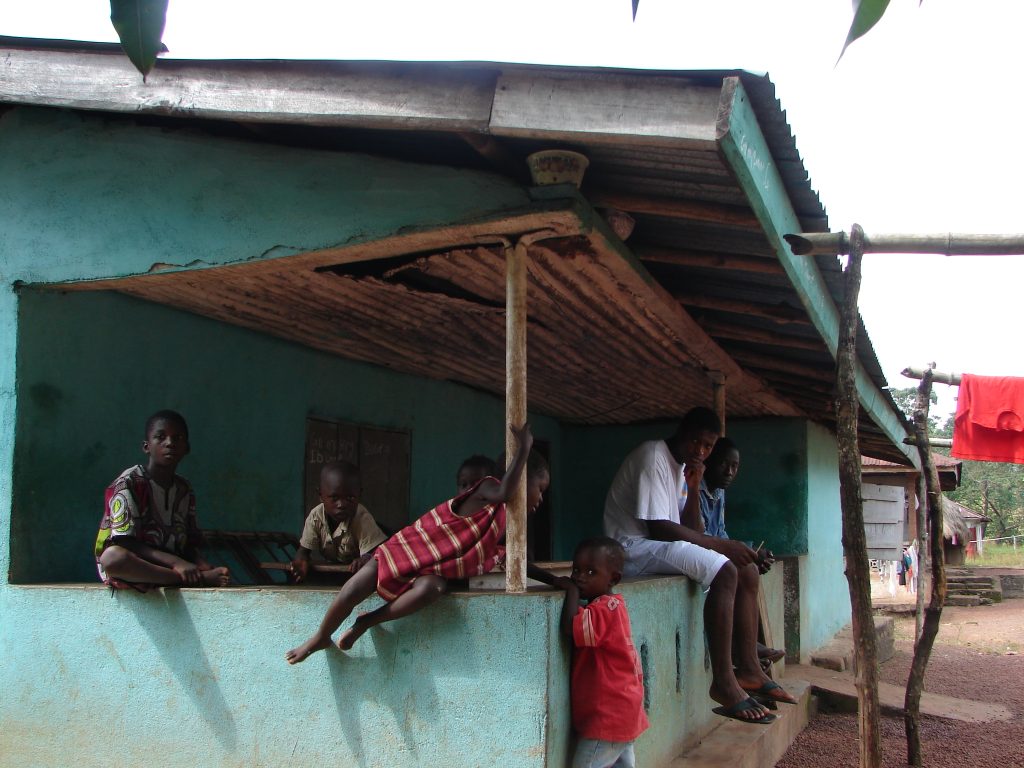
We were strangers to those people. They knew nothing about us and didn’t ask us for anything. They gave generously and probably sacrificially, maybe going hungry themselves in order to show hospitality to us. People often ask what food in Sierra Leone is like. Rice is the staple even though a lot of it is imported. The rice is topped with a stew, often cassava leaves or potato leaves chopped and pounded with a mortar and pestle. Every stew seems to include lots of hot peppers. Sometimes dried or fresh fish is added. For a special occasion, a goat might be slaughtered for meat in the stew. Even the chicken feet are used for a stew that includes chicken meat. All of it is cooked with a lot of palm oil or red oil.
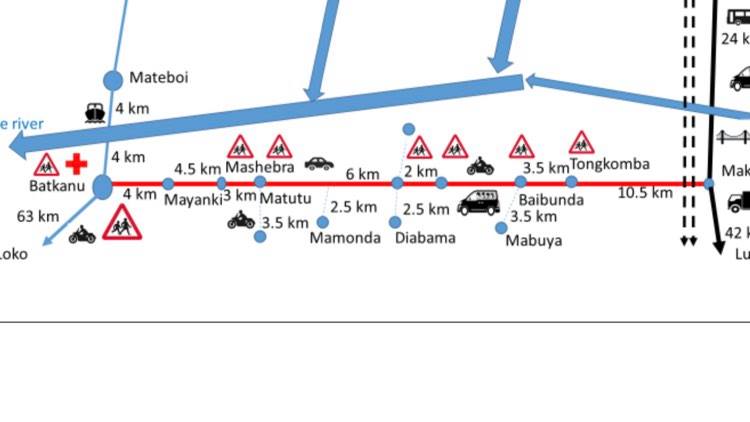
Our current target area is a 20-mile stretch of villages along the road to Batkanu from Thonkomba to Mabamba. In this entire region, there are many villages, but only one well and one school.